
10% Off for New Customers: WELCOME10
Best Sex Positions for Erectile Dysfunction: A 2026 Guide Based on Sex Therapy Science
Erectile dysfunction is common, treatable, and nothing to be ashamed of. In the United States, about 24.2% of men in a national 2021 survey met criteria for ED, and prevalence rose to 52.2% in men 75 and older; older research also found ED affects roughly 40% of men in their 40s and about 30 million American men overall.
The reason position choice matters is simple: some positions demand more effort from the large leg and core muscles, while other positions reduce physical strain and keep attention on pleasure instead of monitoring the erection. That matters because performance anxiety can activate the sympathetic nervous system, which works against erection, and Masters and Johnson described a “spectator” role in which self-monitoring breaks the arousal loop.
This guide focuses on sex positions for ED that are supported by sex therapy science, not just anatomy.
Why Position Choice Helps
Erections are easiest to maintain when the body is relaxed, blood flow is not being pulled into large muscle groups, and the nervous system stays in a parasympathetic “rest and digest” state. Positions that demand a lot of bracing, squatting, pushing, or holding body weight can make erection maintenance harder for some men with erectile dysfunction, especially if they also have cardiovascular disease, fatigue, or anxiety. Sex therapy also emphasizes sensate focus, a structured non-demand touch approach that shifts the couple away from performance goals and toward sensation, connection, and curiosity. Mindfulness-based work in men’s sexual dysfunction similarly helps by reducing distraction and self-monitoring and increasing attention to physical sensation. PDE5 inhibitors such as sildenafil and tadalafil, and newer options such as FDA-cleared Eroxon, can support these behavioral strategies rather than replace them.
The 7 Best Positions
1) Partner on Top
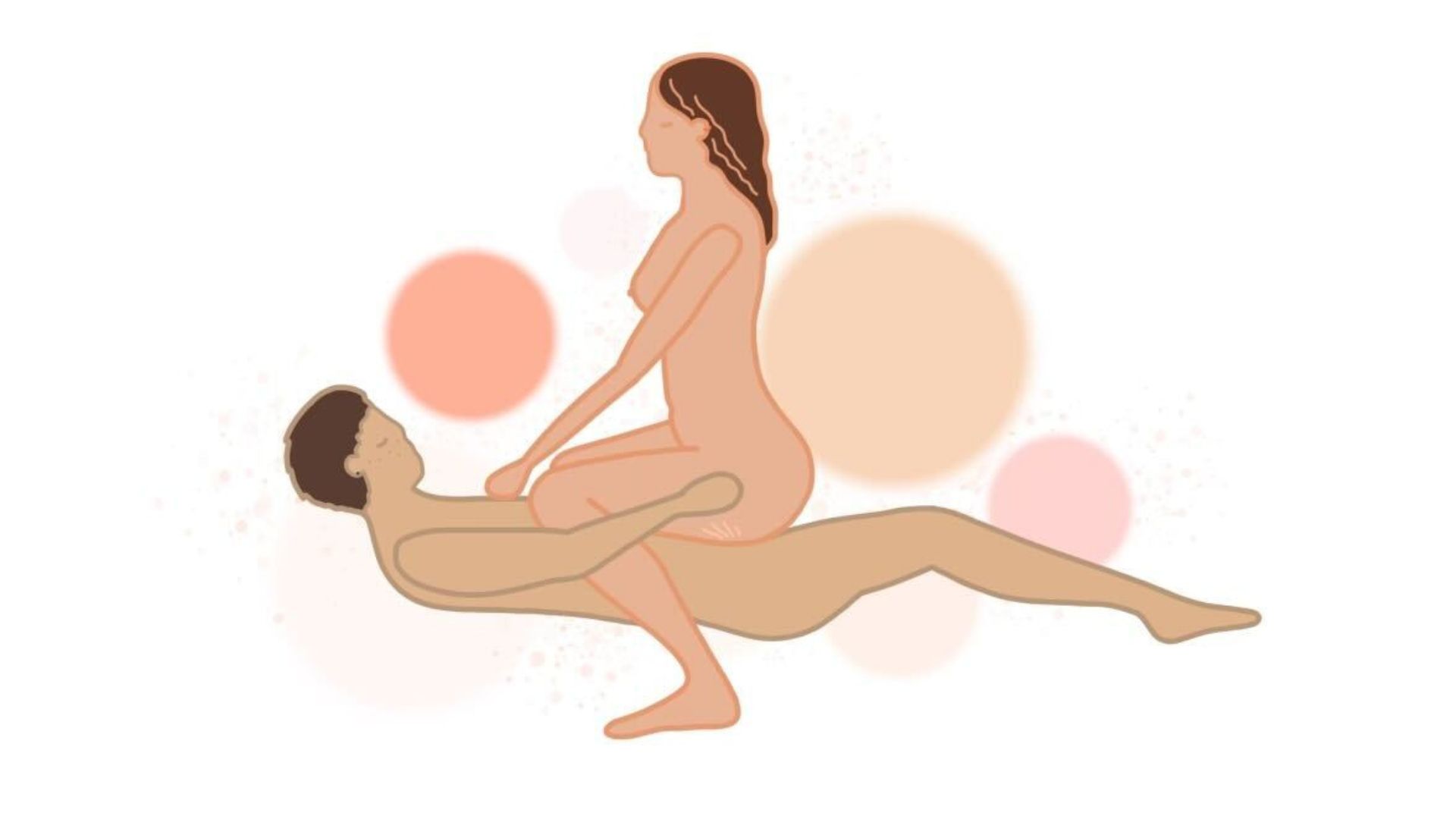
In this position, the receiving partner straddles the man and controls the rhythm, angle, and depth. That often works well for ED because the man can keep his legs, glutes, and core relaxed, which reduces muscular effort and makes it easier to stay in an arousal-friendly state. Psychologically, it also removes the feeling that he has to “drive” the encounter, so attention can shift from monitoring erection quality to noticing pleasure, touch, and visual stimulation.
How to do it:
- Lie back comfortably with pillows supporting the neck or lower back.
- Let the partner start slowly and set the pace.
- Use hands for touch, kissing, or holding rather than bracing.
- Try reverse cowgirl if eye contact increases performance anxiety.
- Consider this a strong option when using sildenafil, tadalafil, or Eroxon because the man can stay physically relaxed.
Best for: men with psychogenic or mixed ED, men who feel pressure in traditional missionary, and couples who want the partner to take a more active role. A common sex therapy insight is that this position reduces “doing sex right” pressure and helps the couple stay in sensation rather than evaluation.
2) Spooning
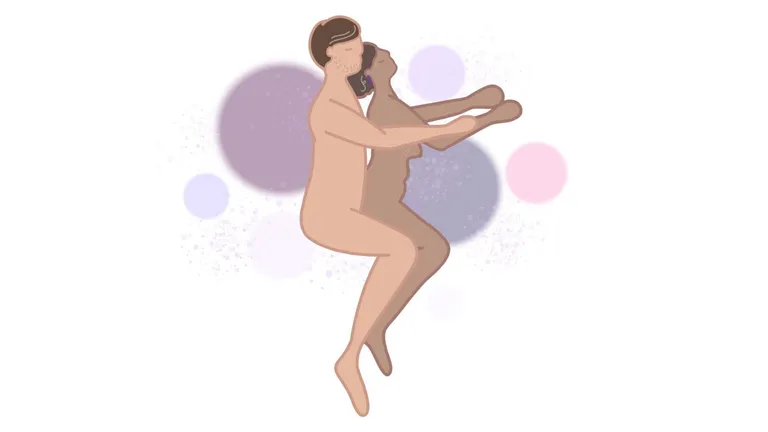
Spooning is side-lying, close, and slow, with both partners relaxed on their sides. Sex therapists often favor it for ED because it combines low exertion with high skin-to-skin contact, which supports bonding and lowers stress. The rear partner can also use a hand for manual stimulation, which helps maintain arousal if erection firmness fluctuates.
How to do it:
- Lie on the same side, with the man behind the partner.
- Keep pillows between the knees if the hips feel strained.
- Start with kissing, breathing, and touch before penetration.
- Use one hand for clitoral or penile stimulation.
- Keep the pace slow and warm, like a “lazy Sunday morning” encounter.
Best for: older men, men with cardiovascular concerns, and couples who want low-pressure intimacy. In clinical practice, this is often a first-choice position because it lowers the odds that a man will shift into spectator mode.
3) The Lotus
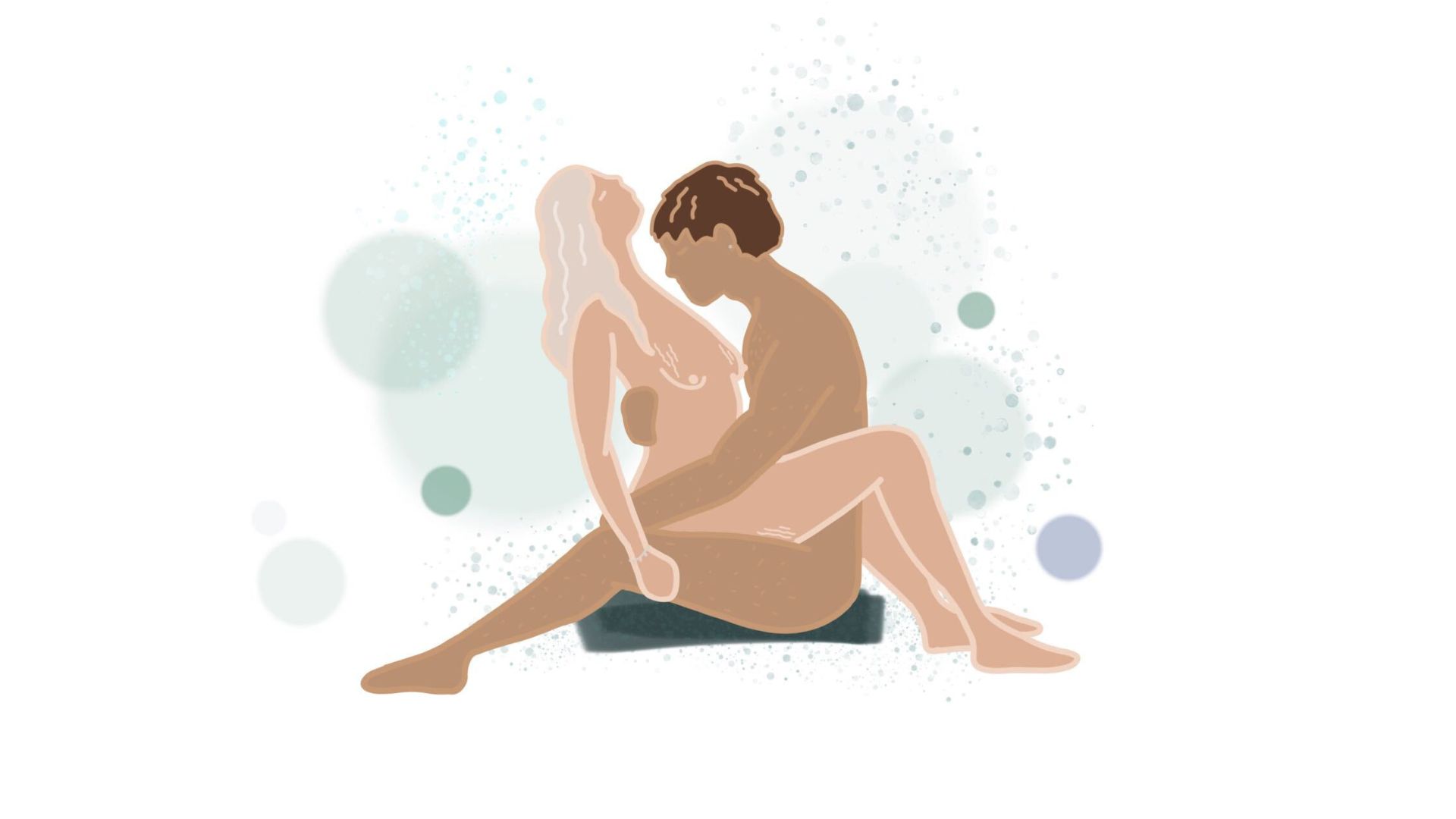
The Lotus, or Yab-Yum, is a face-to-face seated position where one partner sits cross-legged and the other straddles them closely. It is especially helpful for ED because there is very little muscular demand and a lot of direct contact, eye contact, and synchronized breathing. That combination supports parasympathetic arousal and reduces the self-monitoring that often interferes with erections.
How to do it:
- Sit on a firm bed or floor cushion for stability.
- Wrap the legs around the seated partner’s waist if comfortable.
- Breathe slowly together before and during penetration.
- Keep movements small and rhythmic.
- Use this as a connection-first position, not a “goal” position.
Best for: men with performance anxiety, couples in sex therapy, and partners who want emotional closeness as much as physical stimulation. Therapists often view it as a living version of sensate focus because it emphasizes touch, breath, and presence over performance.
4) Modified Missionary
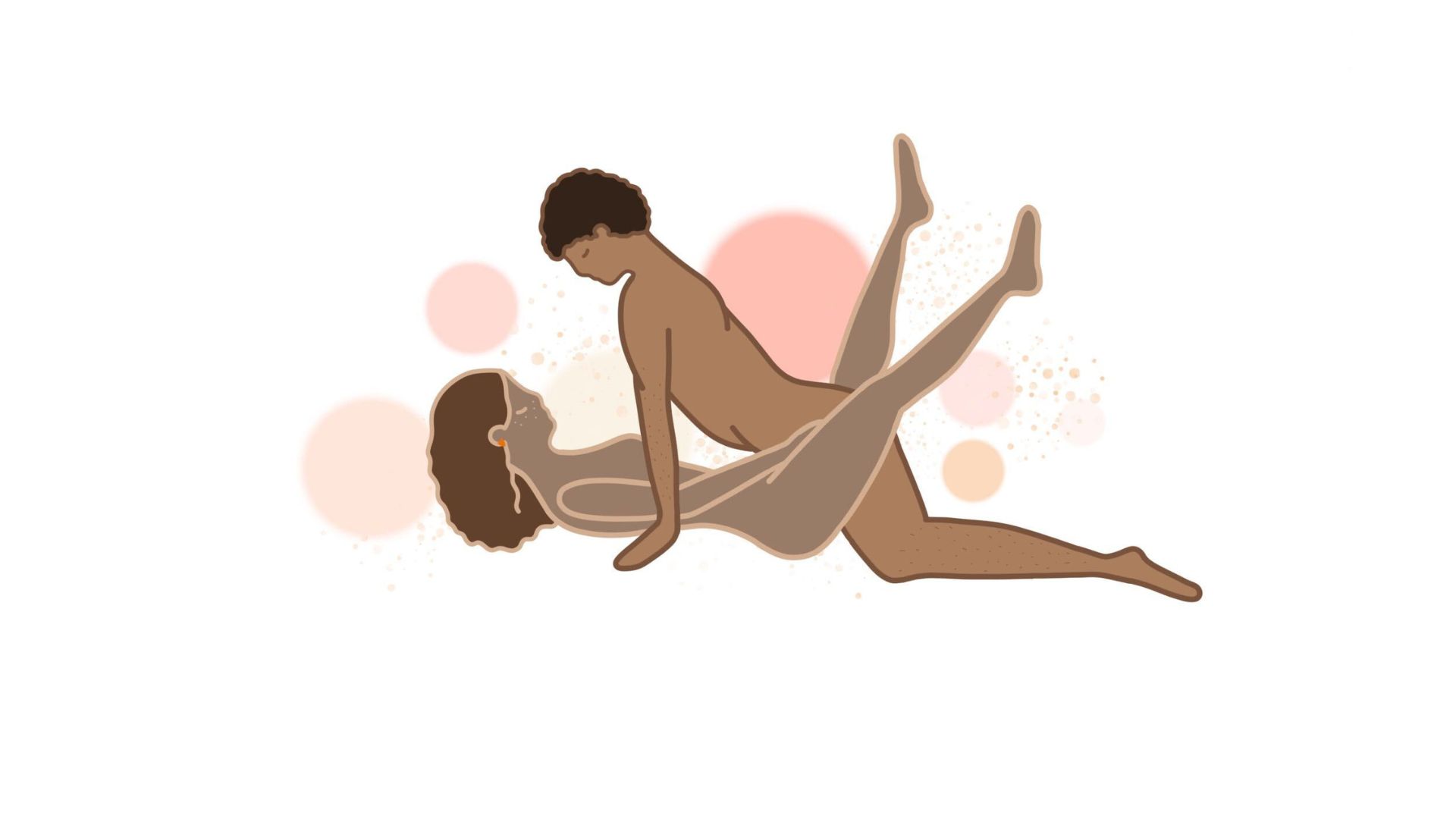
Missionary is underrated for ED when it is modified properly. With a pillow or folded towel under the receiving partner’s hips, the angle improves and penetration becomes easier without requiring the man to hold a push-up posture. It also preserves eye contact and familiar movement, which can feel psychologically safe for men who experience difficulty maintaining erection in novel or highly demanding positions.
How to do it:
- Place a pillow, wedge, or rolled towel under the partner’s hips.
- Keep chest-to-chest contact when possible.
- Let weight rest on elbows, forearms, or beside the partner rather than fully on the arms.
- Spend extra time on foreplay before penetration.
- Use slow thrusting and frequent pauses to keep attention on sensation.
Best for: couples who value closeness, men whose ED improves with arousal time, and men using PDE5 inhibitors or Eroxon who benefit from relaxed build-up. A therapist’s perspective is that missionary works best for ED when it becomes a slow, intimate position rather than a strength contest.
5) The Cross
The Cross, or T-position, is a low-exertion setup where the partners lie at roughly a 90-degree angle to each other. It is one of the least demanding intercourse positions because the man can stay partly on his side with minimal body tension, which is useful when erection firmness is variable. Psychologically, the unusual angle can also reduce the sense that sex has to look a certain way, which helps men who get distracted by self-evaluation.
How to do it:
- Have one partner lie on their back while the other lies perpendicular on their side.
- Use pillows to support the hips and lower back.
- Keep thrusting shallow and rhythmic.
- Use both hands for touch if desired.
- Treat it as a transition position when more demanding positions start to feel tiring.
Best for: men with low stamina, cardiovascular limitations, or mixed ED, and couples who want a position that makes manual stimulation easy. Clinically, it works well as a “reset” position when a more demanding position starts to interrupt arousal.
6) Doggy Style, Standing Modification
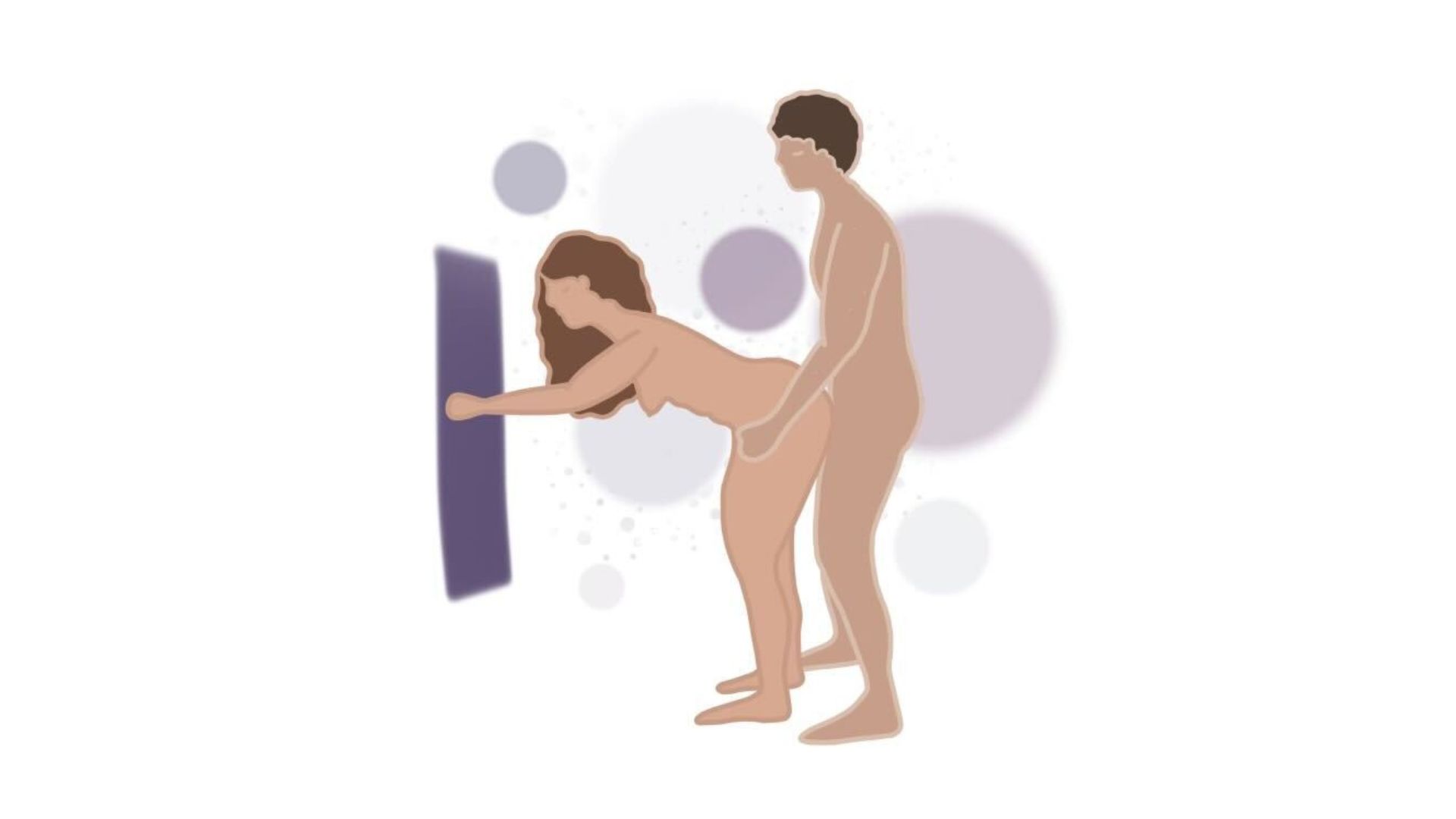
Classic kneeling doggy style can be physically demanding because it engages the quads and core, so a standing modification is often better for ED. In this version, the man stands at the edge of the bed while the partner kneels or lies supported on the bed, which reduces leg strain and can preserve arousal more easily. Rear-entry also offers strong visual stimulation, which may help men whose ED is influenced by anxiety or reduced focus on bodily sensations.
How to do it:
- Stand with feet comfortably apart and hips relaxed.
- Use the bed, wall, or headboard for support if needed.
- Start slowly and keep communication direct.
- If erection firmness drops, pause for manual stimulation or oral stimulation.
- Consider a vibrating cock ring if medically appropriate and comfortable, since constriction devices can help support rigidity.
Best for: men who still enjoy rear-entry but want less exertion, and couples who are comfortable with direct communication during position changes. Sex therapists often normalize these pauses as part of good sex, not as a problem to hide.
7) The Butterfly
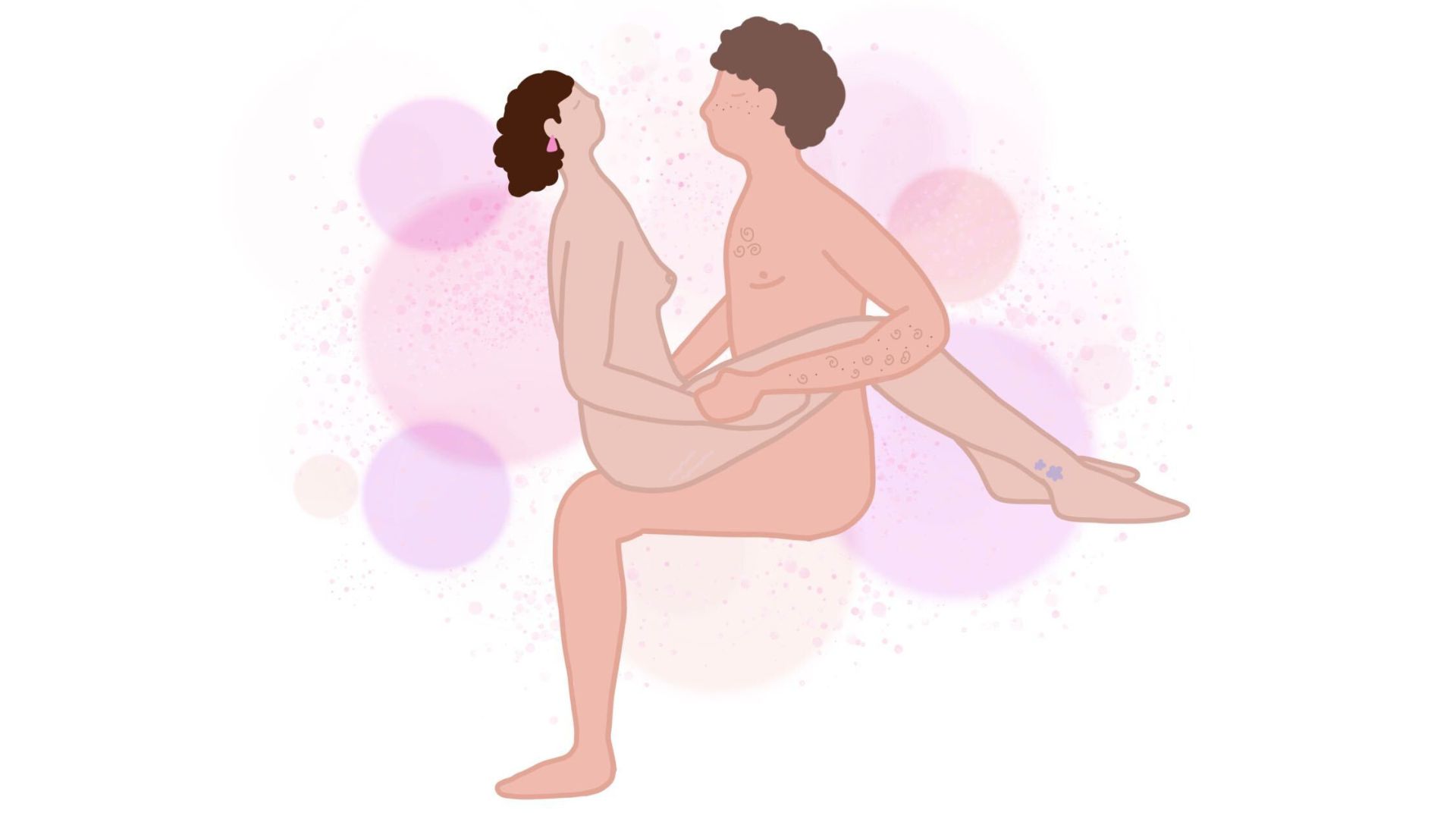
The Butterfly, often called the edge position, places the receiving partner at the edge of a bed or surface with the hips elevated on a pillow or wedge while the man stands. This is useful for ED because standing does not require prolonged bracing, and the elevated angle reduces penetration resistance so a partial erection may still allow satisfying intercourse. It also creates good visual connection and may offer the receiving partner strong stimulation, which lowers pressure on the man to “hold” the whole experience together.
How to do it:
- Position the partner at the bed’s edge with hips elevated.
- Stand close enough to keep contact without leaning heavily.
- Use a wedge pillow if available, or a firm pillow as support.
- Keep movements slow and shallow at first.
- Switch to manual stimulation if erection firmness starts to fade.
Best for: men with partial erections, men who do better standing than kneeling, and couples who like a practical, flexible position. A sex-therapy lens sees this as a smart compromise: low physical demand, high connection, and less pressure.
Beyond Positions
Positions are tools, not cures. The strongest predictor of sexual satisfaction when ED is present is usually open communication with a partner, especially when the conversation happens outside the bedroom and uses collaborative language such as “I want us to explore this together”. Non-penetrative intimacy should also be treated as complete sex, not failed foreplay; oral sex, mutual masturbation, and sensual massage can be satisfying endpoints on their own. A simple home sensate focus sequence can help: first non-sexual touch, then genital touch without a penetration goal, then gradual return to intercourse while staying focused on sensation. Mindfulness exercises, such as a body scan during sex, help men notice sensation instead of checking erection quality every few seconds.
When To See A Doctor
New or worsening ED deserves medical attention because it can be an early marker of cardiovascular disease, particularly in men under 50. A urologist can look for diabetes, hypertension, low testosterone, medication effects, smoking, and other contributors, then discuss PDE5 inhibitors, Eroxon, low-intensity shockwave therapy, or penile implants when appropriate. If anxiety, low mood, or relationship stress is part of the picture, a mental health professional or AASECT-certified sex therapist can be a major part of treatment. The best outcomes usually come from a team approach, not from any single position or pill.
FAQ
-
What is the single best sex position for erectile dysfunction?
There is no single best position for every man, but spooning and partner-on-top are often the most helpful because they reduce muscular effort and lower performance pressure. The best position is usually the one that helps you stay relaxed, connected, and most aroused.
-
Can changing positions actually help ED, or do I need medication?
Changing positions can help by reducing strain and anxiety, but it does not replace medical treatment when a physical cause is present. Many men do best with both: a position strategy plus medication or another treatment.
-
What positions should men with ED avoid?
There is no universal forbidden position, but positions that require heavy bracing, prolonged kneeling, or tense pushing can make erection maintenance harder. If a position leaves you focused on performance instead of arousal, it is probably not a good fit right now.
-
How do I talk to my partner about ED and trying new positions?
Bring it up outside the bedroom, keep the tone collaborative, and focus on pleasure rather than diagnosis. A useful phrase is: “I want us to find what feels good together, and I’d like to try a few positions that reduce pressure.”
-
Are recommended positions different for psychological ED vs vascular ED?
Yes, somewhat. Psychogenic ED often benefits most from low-pressure, eye-contact-friendly, and mindfulness-based positions, while vascular or cardiovascular-related ED usually benefits from positions that minimize exertion and allow more support. In both cases, communication and foreplay matter.
Conclusion
ED is very common, highly manageable, and rarely solved by one trick alone. The goal is not to force performance but to build an intimate experience that works for both partners, even when erection firmness is not fully stable. The best results usually come from combining smart positions, honest communication, sensate focus, mindfulness, and professional support when needed. A urologist can help with medical causes, and an AASECT-certified sex therapist can help you and your partner rebuild confidence and pleasure together.
Recommended products
-
Durex Air Ultra Thin Condoms
$25.00 -
KamaSutra Pink Dotted Condoms
$11.00 -
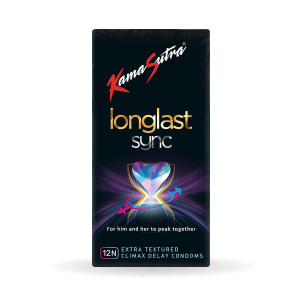
KamaSutra Longlast Condoms
$25.00 -
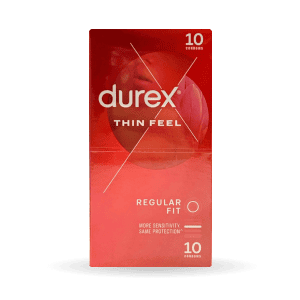
Durex Feel Thin Condoms
$25.00
References
-
1
(2018). Erectile dysfunction: AUA guideline.
PubMed -
2
(2018). Mindfulness-based group therapy for men with situational erectile dysfunction.
Full PDF -
3
(1994). Impotence and its medical and psychosocial correlates: Results of the Massachusetts Male Aging Study. Journal of Urology.
-
4
(2023). FDA roundup: June 13, 2023.
FDA.gov -
5
(1966). Human sexual response.
-
6
(2024). Erectile dysfunction prevalence in the United States: Report from the 2021 National Survey of Sexual Wellbeing. The Journal of Sexual Medicine.
Full article -
7
(n.d.) Erectile dysfunction resources and prevalence summaries.
-
8
Erectile dysfunction and cardiovascular risk. (Various updates.)
-
9
(2021). What is sensate focus and how does it work?
SMSNA.org -
10
(2014). Sensate focus: Clarifying the Masters and Johnson model. Sexual and Relationship Therapy.
-
11
(2022). Mindfulness-based psychosexual therapy for situational erectile dysfunction.
ClinicalTrials NCT04341025 -
12
(2023). Mindfulness and male sexual function: clinical research and applications.
PMC9966447 -
13
(n.d.) Erectile dysfunction patient resources.
-
14
(n.d.) Erectile dysfunction as a cardiovascular marker.
-
15
(n.d.) Erectile dysfunction patient information.
-
16
(n.d.) Certified sex therapist directory and professional standards.
-
17
(n.d.) Clinical review articles on erectile dysfunction positions.
-
18
(n.d.) Evidence-informed ED position guidance.
-
19
(2023–2024). Sex positions for erectile dysfunction — clinical review.